
Wool is a natural fibre that suits upholstery well: it is springy and breathable. Its trade-offs are a coarser feel, a risk of moths and, in some blends, a tendency to pill. Whether it suits your sofa or chair depends on how the piece is used and which blend you choose.
What is wool upholstery fabric?
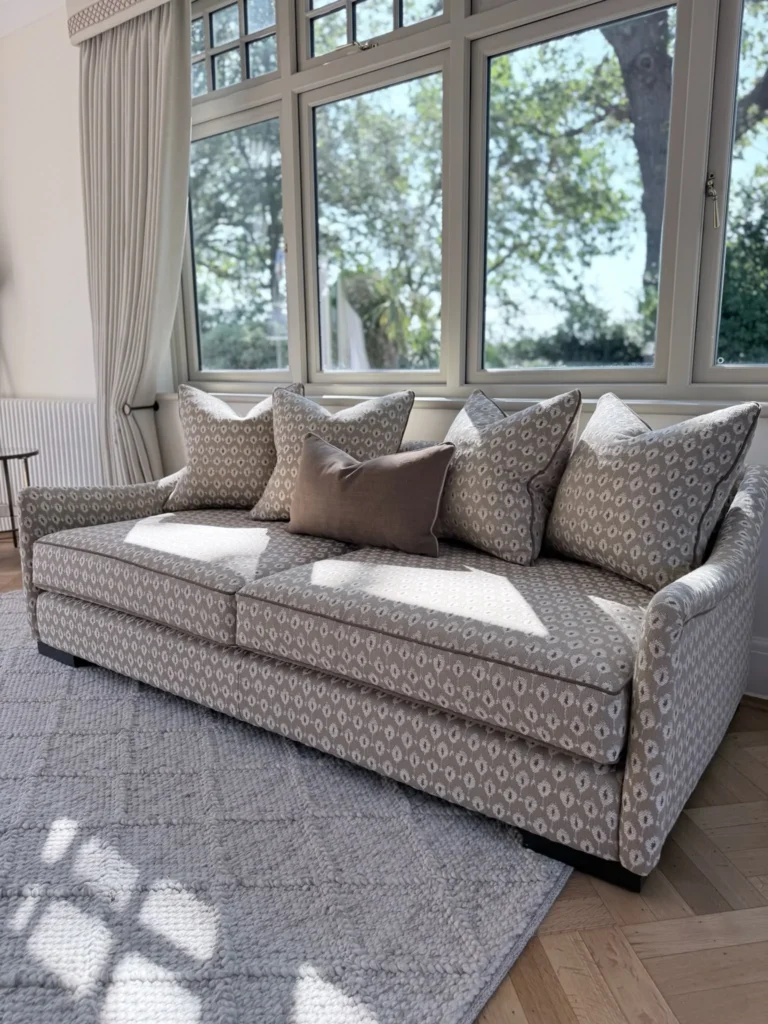
It is cloth woven from sheep’s wool, either on its own or mixed with other fibres. The result can be a smooth, tight weave, a nubbly texture or a soft flat-woven look.
Because the fibre is springy, wool fabric tends to spring back when it is pressed or folded. That is why it has a long history on chairs, sofas and headboards.
What are the advantages of wool for upholstery?
Wool has several qualities that make it a good candidate for furniture you use every day:
- Spring. The fibre has natural elasticity, so the cloth tends to recover from sitting and creasing.
- Breathability. Wool takes up and releases moisture, so it can feel comfortable in both warm and cool rooms.
- Texture. It gives depth and a matt, quiet surface that works well with plain colours.
- Warmth to the touch. It rarely feels cold when you first sit down, unlike some smooth synthetic cloths.
What are the drawbacks of wool upholstery?
Wool is not right for every piece. It helps to know the downsides before you fall for a sample:
- Feel. Some wool cloths are coarser than velvet or cotton. Rub a sample on the inside of your wrist or forearm, where the skin is more sensitive.
- Moths. Wool can attract moths and carpet beetles unless it has been treated. Ask the supplier what, if anything, has been applied to the cloth.
- Shedding and pilling. Loosely spun wool can shed fibres, and some fabrics form small balls of fibre where they rub. How much depends on the yarn, the weave and the blend.
- Care. Wool does not like heat or harsh cleaning, so spills need prompt, gentle attention.
Should you choose pure wool or a wool blend?
Both are common. A blend adds another fibre, often nylon or polyester, to change how the cloth behaves. The right answer depends on the particular fabric, so judge each one on its own sample and its stated fibre content rather than on a rule.
| Pure wool | Wool blend |
|---|---|
| Natural feel and a soft, matt look | The look of wool with another fibre added to the weave |
| Fibre content is simple to read on the label | Check the percentages, as they vary from cloth to cloth |
| Can shed or pill, depending on the yarn | Pilling depends on the exact mix and weave, so test a sample |
| Needs gentle, prompt care | Care instructions come from the fabric maker, so follow them |
Where does wool suit a room?
Wool works well wherever you want a calm, tactile surface. Armchairs, headboards, footstools and window seats are all good places to start, and so are sofas in a sitting room or study.
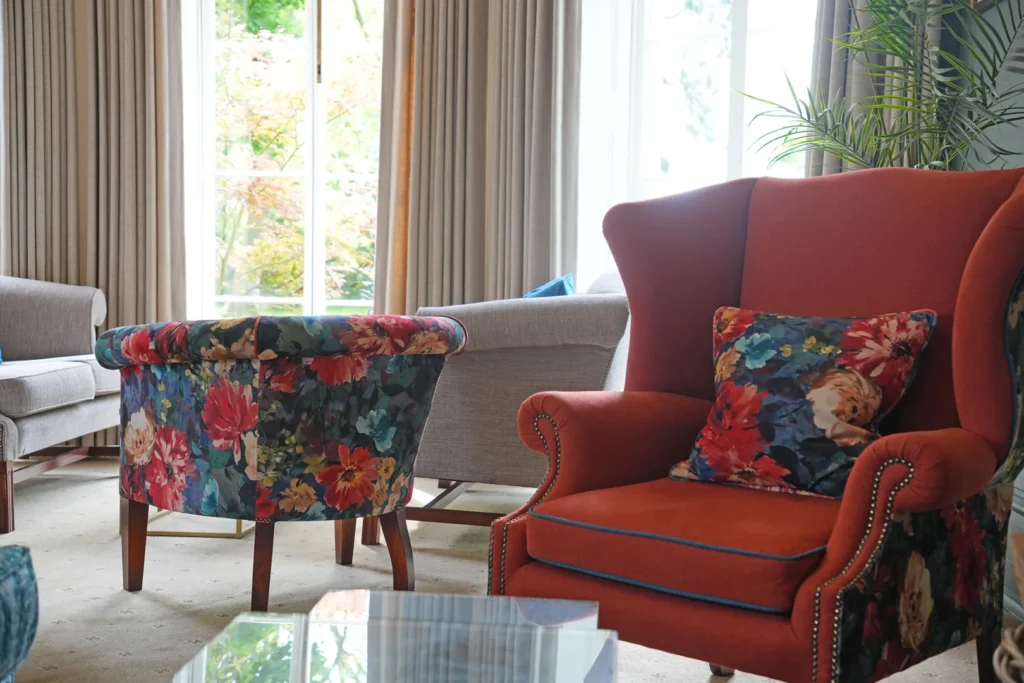
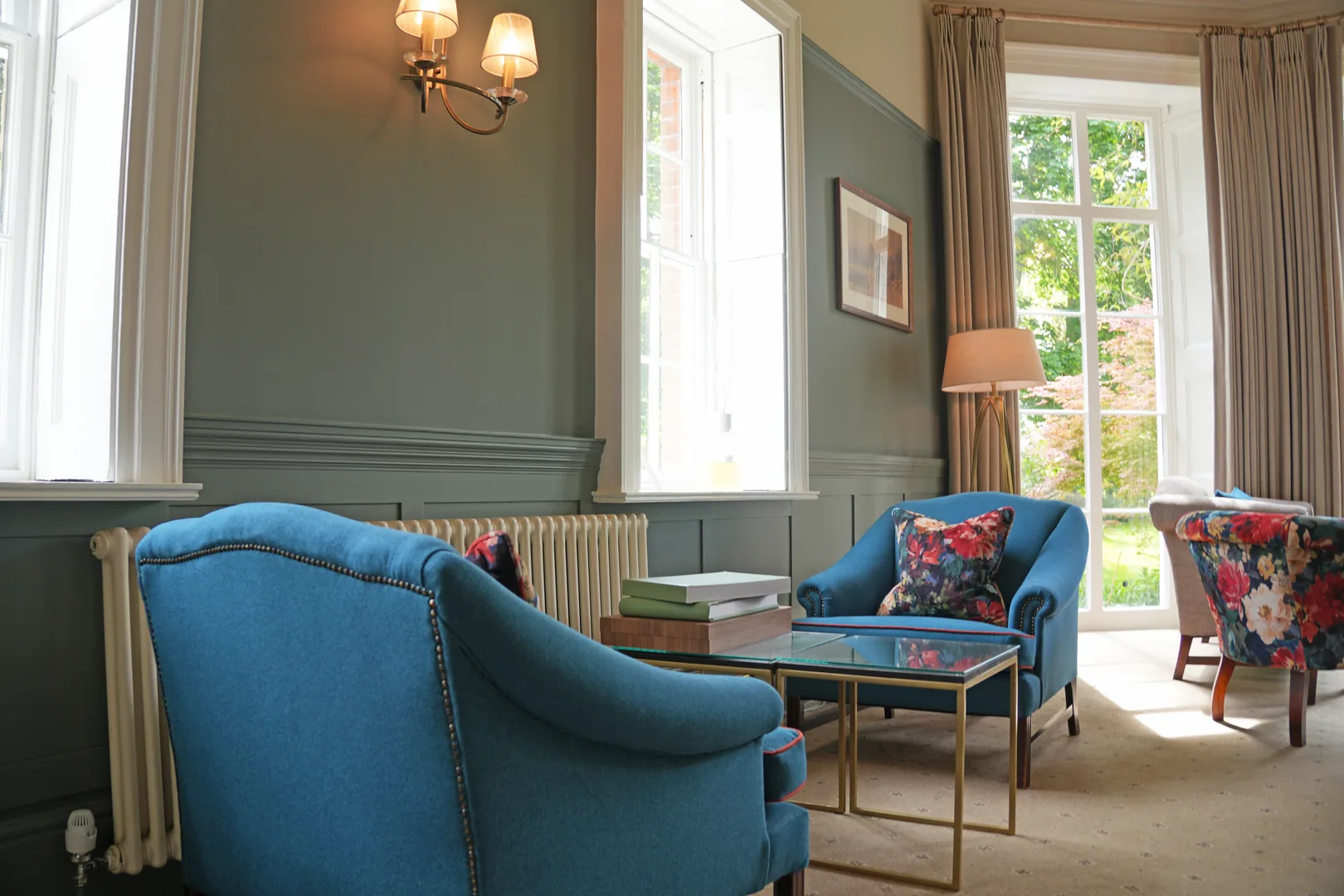
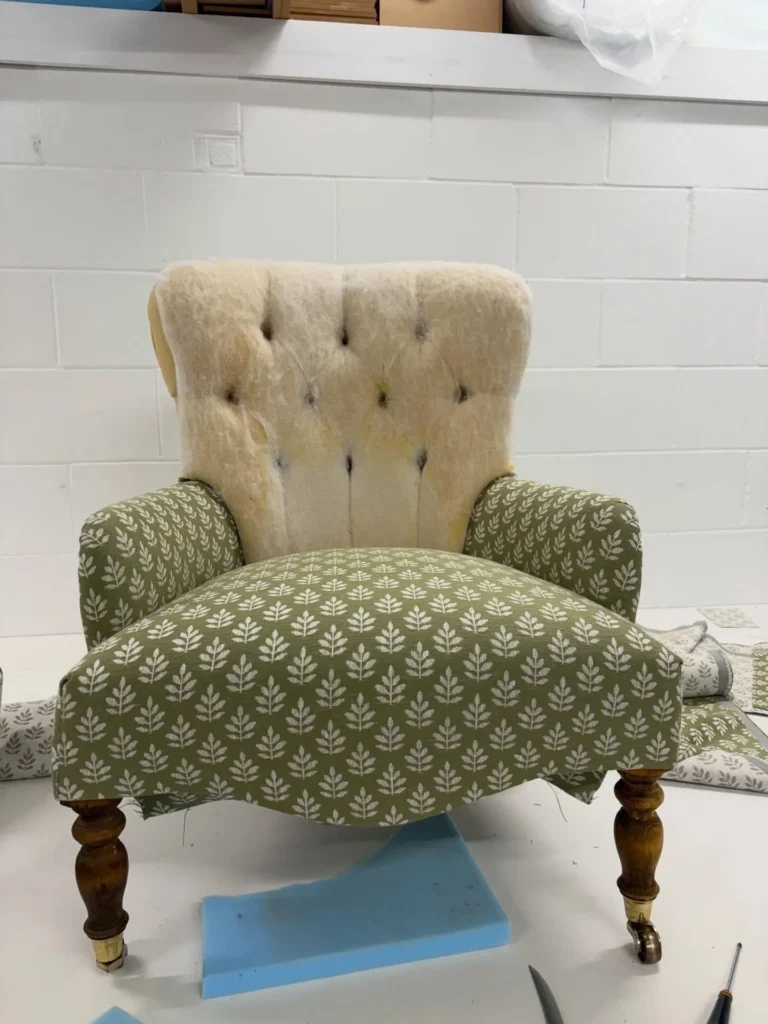
It pairs naturally with linen curtains, wooden furniture and muted colours, but it can carry strong colour too. If you want wool seating to match the room, we can upholster in our own workroom in a fabric chosen with your curtains. See armchairs reupholstered in our workroom for an idea of how a chair can be finished.
How do you look after wool upholstery?
Keep to a gentle routine and follow the care label for your cloth:
- Vacuum regularly with a soft brush attachment to lift dust and loose fibre.
- Blot spills straight away with a clean, dry cloth. Do not rub, as that pushes the mark into the weave.
- Keep the piece out of constant strong sunlight where you can, and plump or turn loose cushions now and then.
- Leave deep cleaning to a professional who handles upholstery.
The principles are similar to those in our guide to cleaning a velvet sofa, though always check the label first.
How do you choose a wool fabric for a chair or sofa?
Start with how the piece will be used, then narrow down:
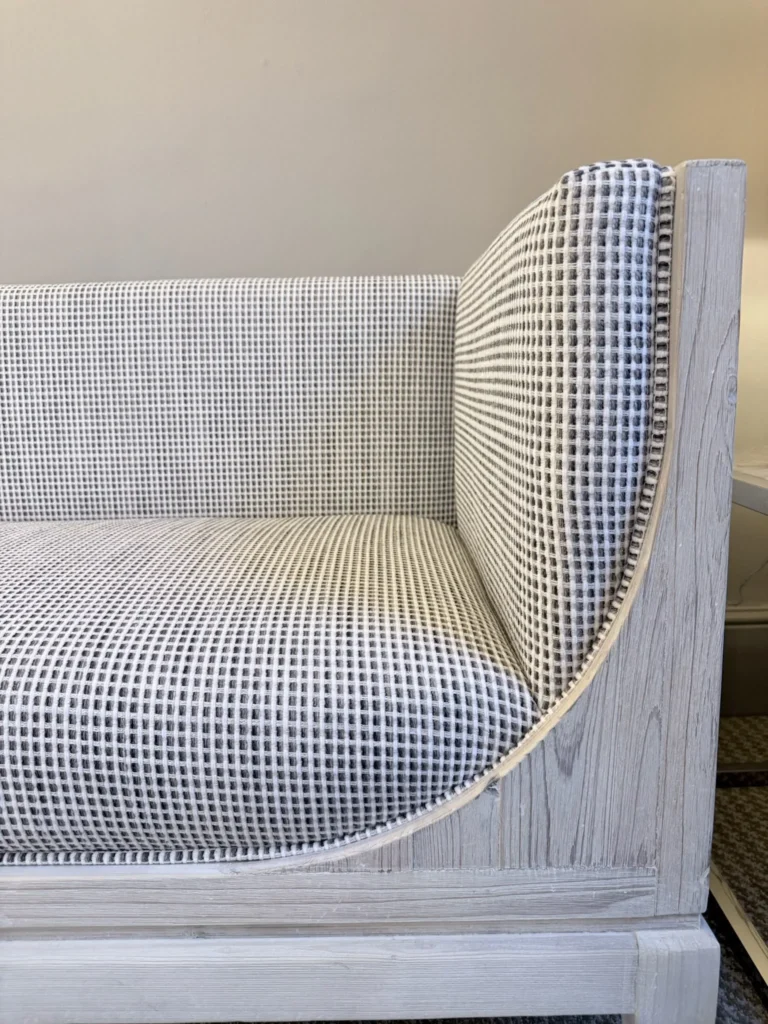
- Ask for the fibre content as a percentage, so you know exactly what is in the cloth.
- Ask for the rub count. Our guide to the Martindale rub test explains what the number means and what it does not.
- Ask about pilling, which is a separate property from the rub count.
- Look at a large sample in the room, in daylight and in the evening.
If you are weighing wool against other options for a busy household, our look at performance fabrics sets out the trade-offs.