
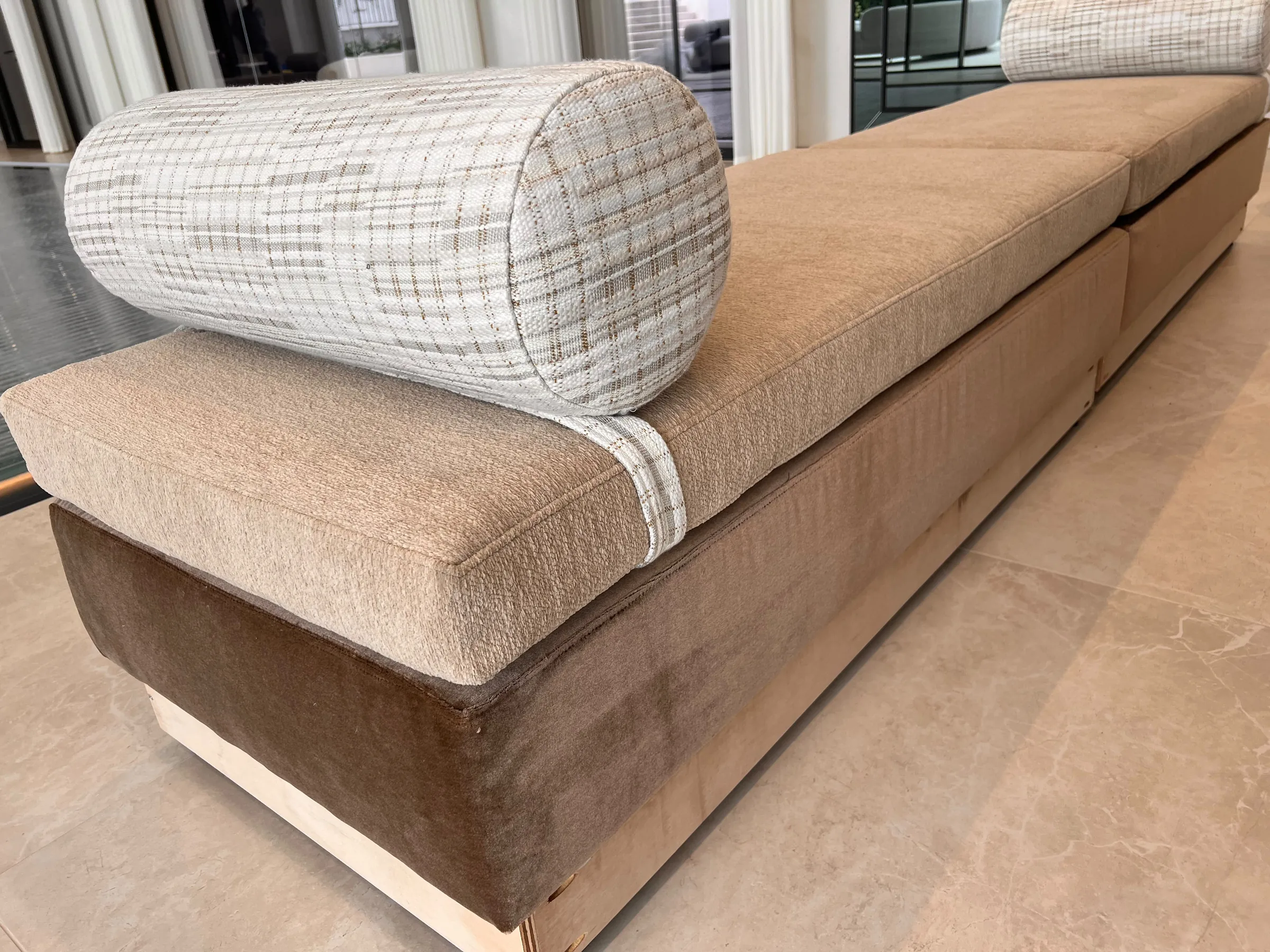
The Martindale rub test measures how many times a machine can rub a fabric before it starts to wear. The number is called the rub count. A higher count suggests a fabric will resist abrasion for longer, but it is only one measure, and it says nothing about stains, pilling or claws.
What is the Martindale rub test?
It is a laboratory test for upholstery fabric, set out in the standard BS EN ISO 12947. A circular sample of fabric is held against a standard abrasive, and the machine moves the sample in a figure-of-eight pattern rather than a straight line. That mimics the way a fabric is rubbed by people sitting, shifting and getting up.
The test stops when the fabric shows signs of wear, and the number of rubs reached is the figure you see in a sample book or on a fabric label.
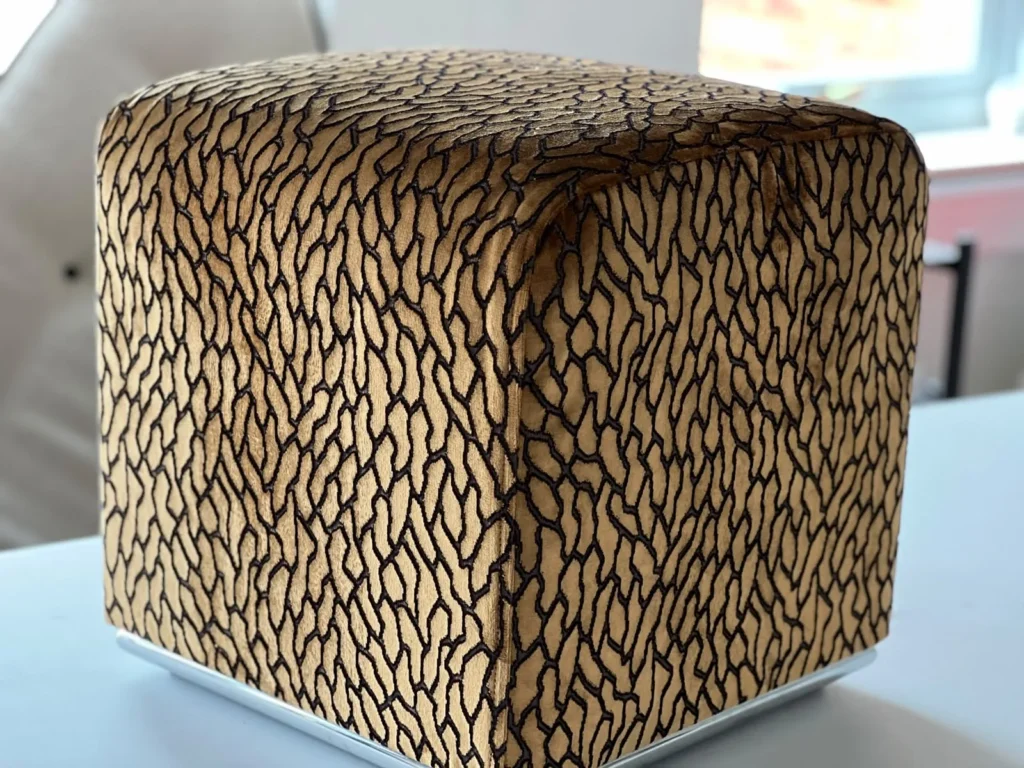
How do you read a rub count?
Think of it as a comparison tool. A fabric with a rub count of 30,000 has been rubbed for longer in the machine than one with 15,000 before showing wear. It does not tell you how many years a sofa will last, because a real sofa is used in far more varied ways than a machine.
Rub counts are usually given in round thousands, so look for a figure rather than a description such as “heavy duty”. If a supplier gives only a description, ask for the number.
- Higher means the fabric was rubbed for longer in the test.
- Two fabrics only compare fairly if both were tested with the same method.
- The count is for the fabric, not for the finished sofa, its frame or its filling.
What is the difference between domestic and contract use?
Fabric sellers usually group rub counts into bands. General domestic use is commonly placed at around 15,000 to 25,000 rubs, with heavier domestic and contract use above that. The trouble is that the band edges are not fixed. Different suppliers draw the lines in slightly different places, and the older UK scheme used its own labels.
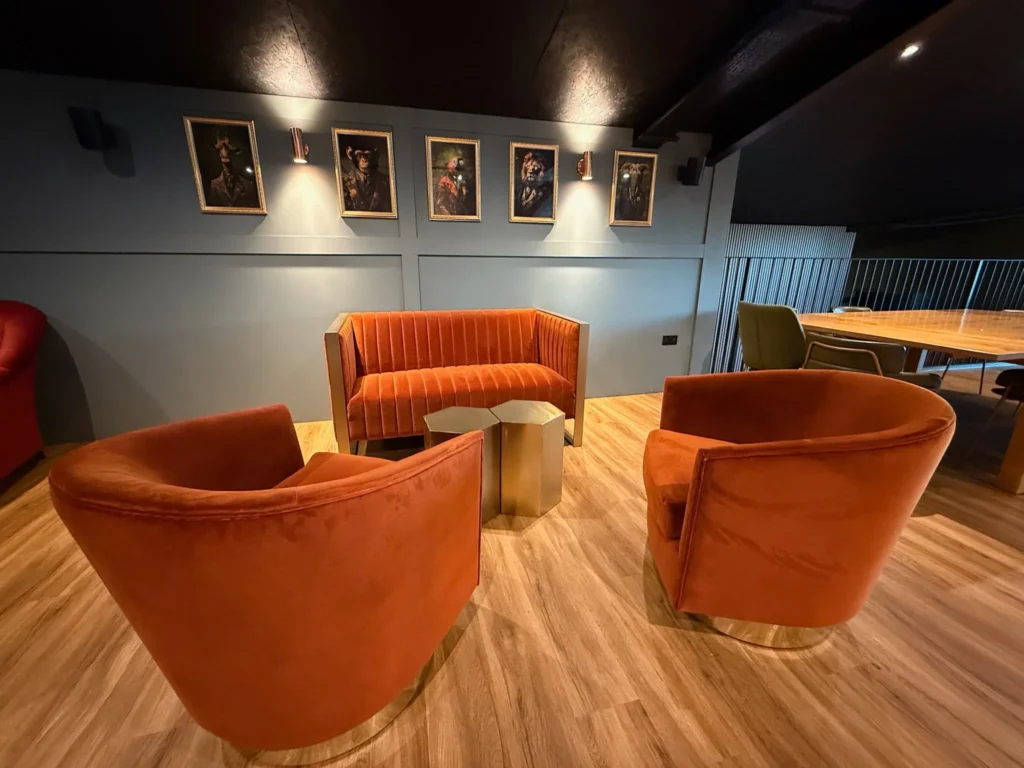
So when you see “domestic” or “contract” on a sample, check which scale the supplier is using. The rub count itself is the more reliable thing to compare. Contract use means spaces such as hotels and restaurants, where seating is used far more often than at home, and we make seating for both.
| Where the piece will sit | What to think about |
|---|---|
| A guest bedroom chair | Light, occasional use, so the count matters less than the look and feel. |
| A family sofa | Daily use by several people, so a higher count is worth looking for. |
| A hotel lounge or restaurant seat | Constant use, so ask the supplier which contract scale the figure belongs to. |
What does the Martindale test not tell you?
Quite a lot. The test is done dry, so it says nothing about spills, damp or cleaning products. Pilling, the little balls that can form on some weaves, is covered by a separate test. Light fastness is separate too, which matters for a sofa in a sunny window. And no rub count predicts how a fabric will stand up to a cat or dog’s claws.
- Spills and stains
- Pilling
- Fading in sunlight
- Snagging from claws
- How the fabric feels and sits over padding
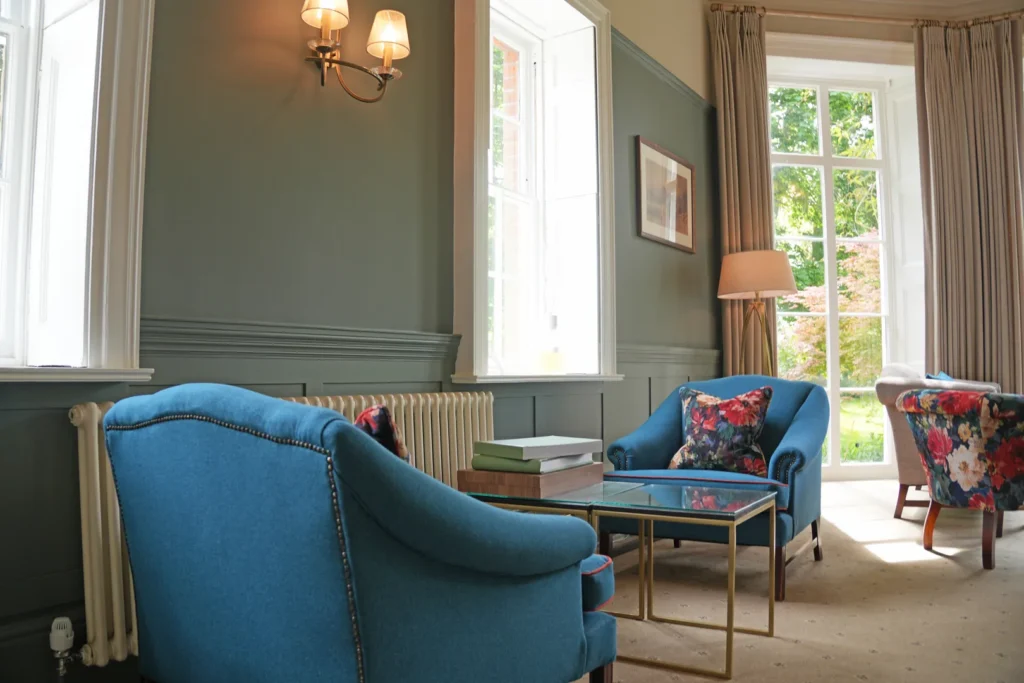
How do you choose a fabric for a family sofa?
Start with how the sofa will really be used, then use the rub count as one check among several.
- Decide who sits on it and how often: children, pets, a favourite spot for the evening film.
- Ask for the rub count and which scale the supplier uses.
- Feel the weave and hold a larger sample up in the room’s own light.
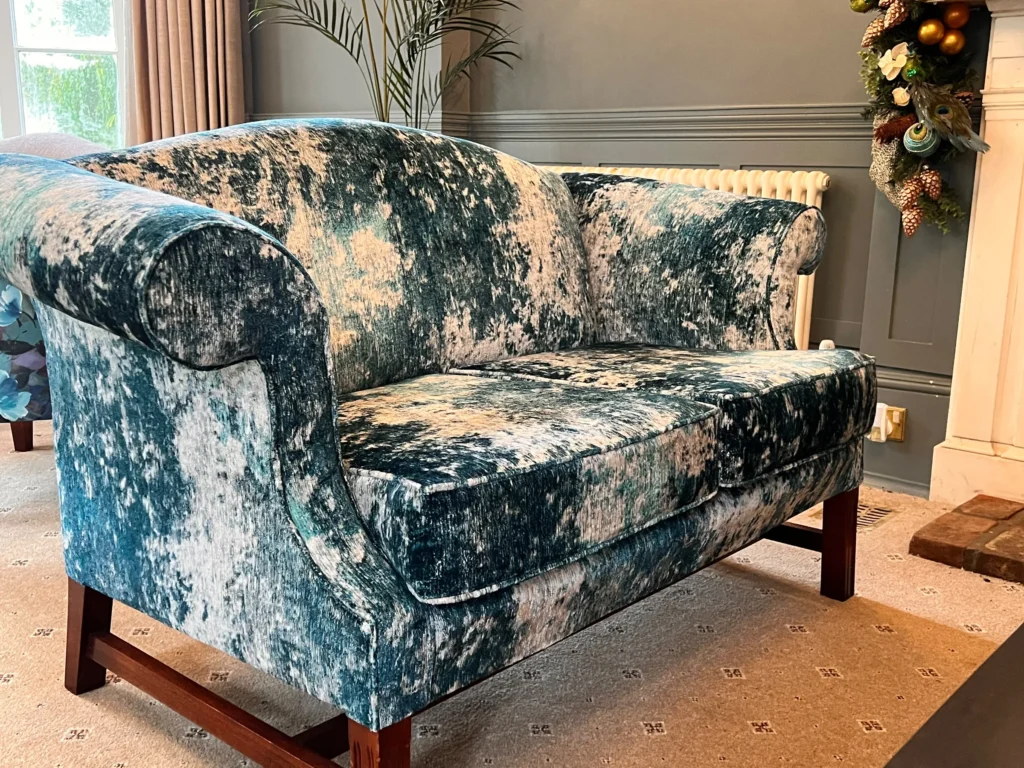
- Think about the fibre and how it cleans. Our notes on cleaning a velvet sofa show how much the pile matters.
- Consider the character of the cloth too, as we do for chenille and bouclé.
A very high count in a stiff, flat cloth is not automatically the right choice if you want a soft, easy sofa. The right fabric is the one that suits the piece and the household.
Does the rub count matter when you reupholster?
Yes, because reupholstering a good frame is the moment to choose a fabric that suits the way the piece is used now. Every chair and sofa we reupholster is done in our own workroom, and we choose the cloth with you. You can see an example in our armchairs reupholstered in our workroom, and read more about reupholstery and headboards.
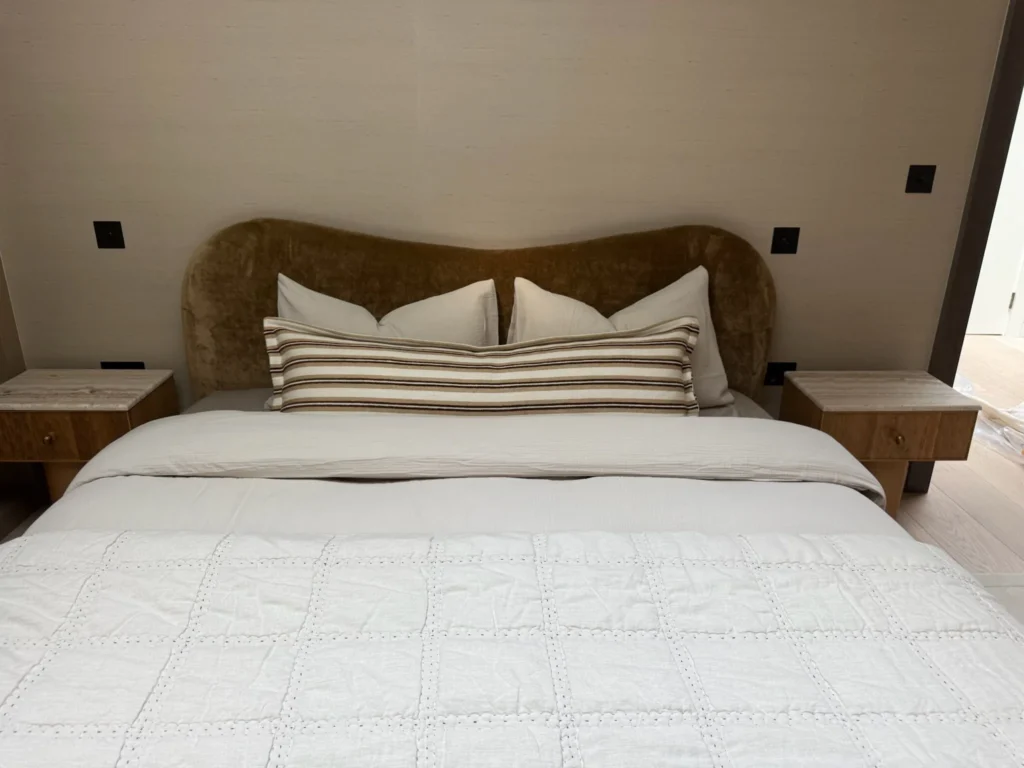
The same thinking applies to headboards and cushions, though they usually see less wear than a seat. If you are unsure, ask us about the fabric before you commit.
Where can you check the standard yourself?
The test method is BS EN ISO 12947, which is published by the national standards bodies. Fabric suppliers’ own guides are a helpful starting point, and the one we checked was Just Fabrics’ guide to the Martindale rub count. Bands vary between sources, so treat any single table as a guide only.