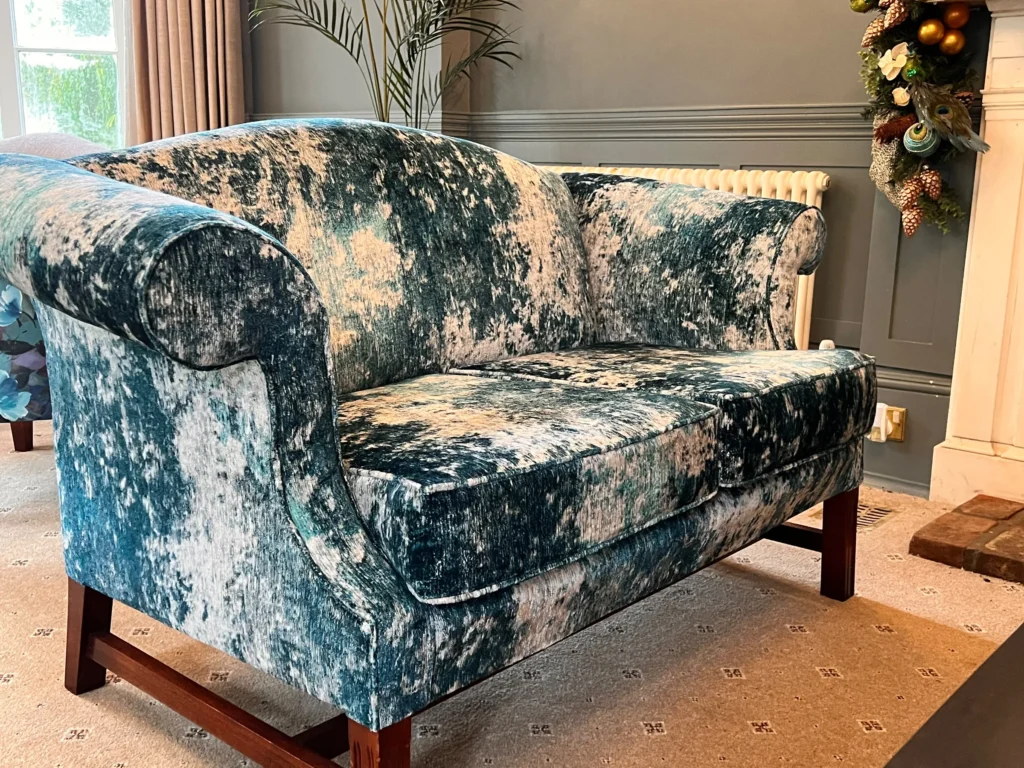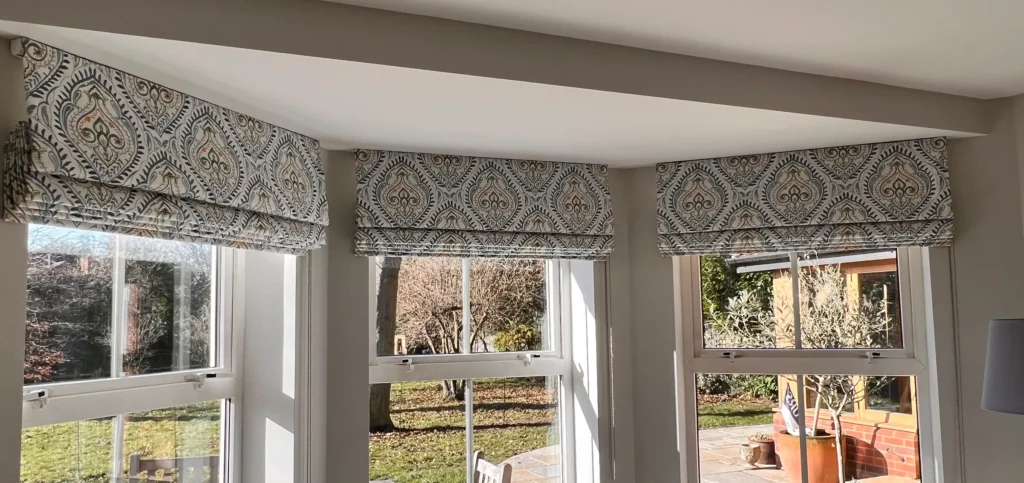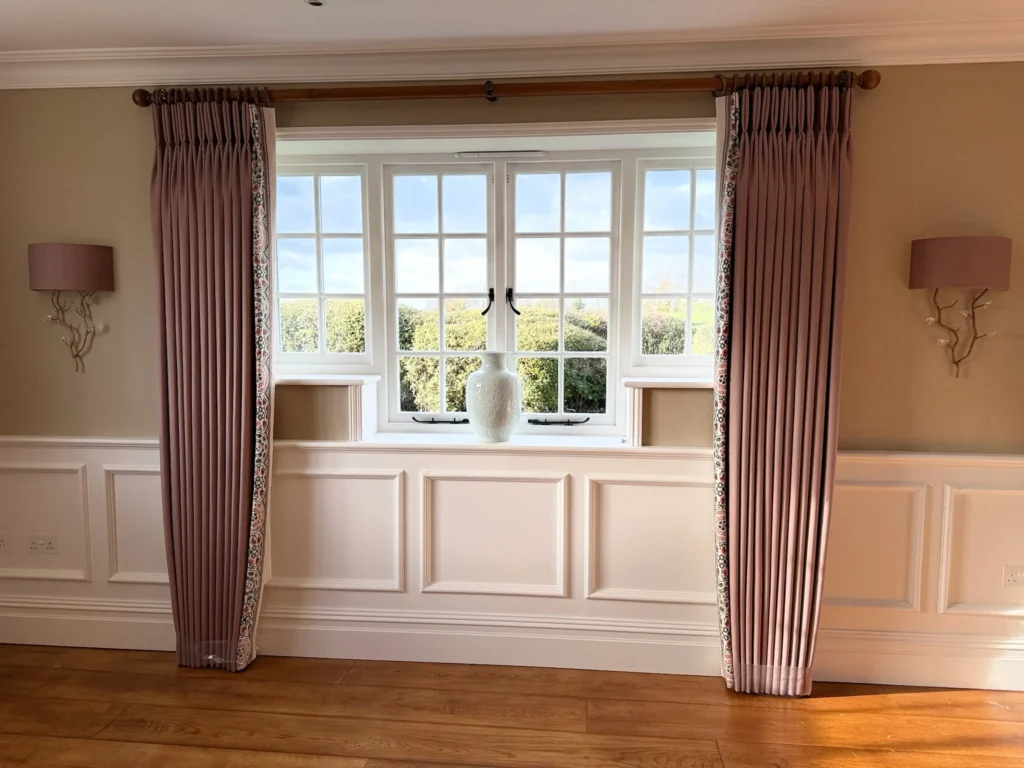


Chenille is a soft, textured fabric made from tufted yarn, and it suits sofas, armchairs and heavy curtains. The plush pile feels lovely to sit on, but it can snag and flatten in places. Whether chenille is right for you depends on the piece, the weave and how much it is used.
What is chenille fabric?
The word is French for caterpillar, which describes the yarn well. Short fibres stand out from a twisted core, so the yarn looks fuzzy and feels velvety. When it is woven, that tufted yarn gives the cloth its soft, slightly textured surface.
Chenille is not one fibre. It can be spun from cotton, viscose, polyester, acrylic and other yarns, and the mix changes how the cloth looks, feels and behaves. Always ask what a particular chenille is made from.

Is chenille good for upholstery?
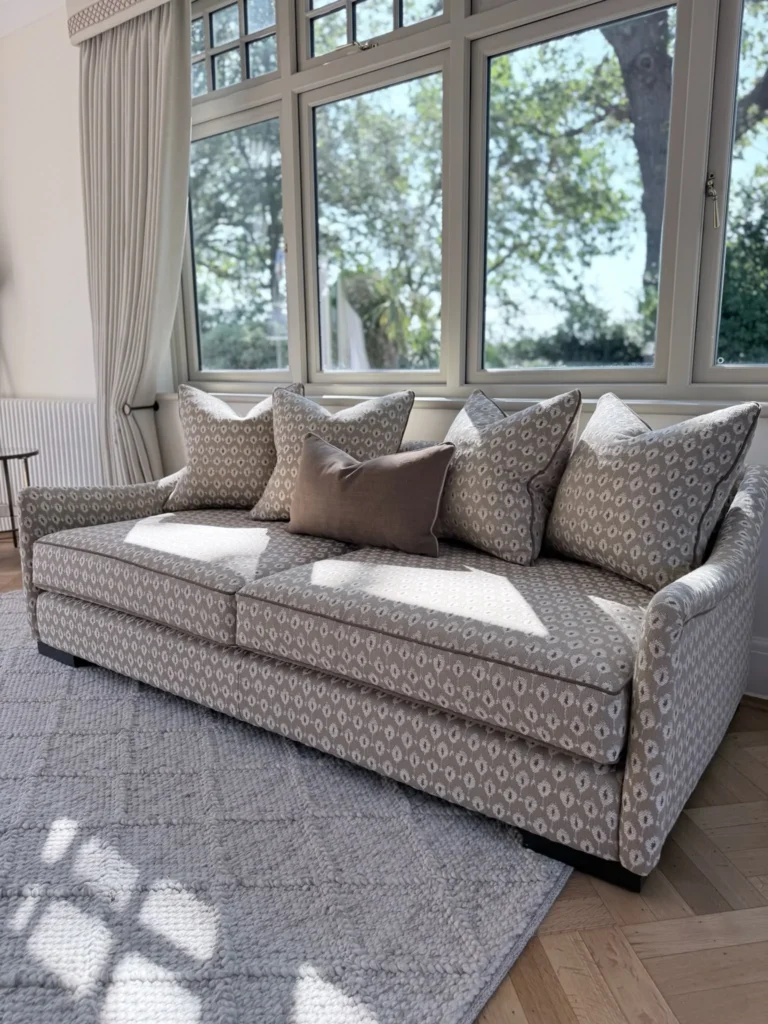
It can be, for the right piece. The pile makes a sofa or armchair feel inviting, and the cloth drapes and covers a frame well. A good weave also hides small marks better than a smooth, flat cloth.
The same pile is the weak point. It can flatten where people sit most, and loops can catch on anything sharp. Think about how the piece is used before you fall for the feel.
- Pros: soft to the touch, warm in look, good drape and plenty of colours and textures.
- Cons: can snag, the pile can flatten or shade with use, and some types are fussy to clean.
If you have a favourite chair that needs a new cover, our upholstery service is a good place to start, and our armchairs reupholstered in our workroom show the kind of work we do.
How do you tell if a chenille will wear well?
Look at the weave, not just the surface. A close, dense weave holds its pile better than a loose one. Feel the back of the fabric, and run your hand over the pile in both directions to see whether it changes shade.
Ask the supplier for the Martindale rub count. This is a lab test that rubs the cloth against a standard abrasive and counts the rubs before it shows wear. A higher number means more resistance to rubbing. It does not measure snagging, so it is only part of the picture.
What to check before you buy
- The fibre content, so you know what you are living with.
- The Martindale rub count, and whether the supplier rates the cloth for domestic or contract use.
- The cleaning code on the sample or the label.
- A large sample, held in the room where it will live.
Can you clean chenille?
Often, yes, but follow the code. Upholstery fabrics usually carry a cleaning code set by the maker. These are the common ones:
| Code | What it usually means |
|---|---|
| W | Clean with water-based products |
| S | Use a solvent-based dry cleaner only, no water |
| WS | Either water-based or solvent-based products can be used |
| X | Vacuum or brush only |
Chenille is sometimes sold with an S code, so check before you reach for a damp cloth. Test any product on a hidden area first, and if you are unsure, ask a professional cleaner.
What about pets and families?
Claws can catch the loops in a chenille pile, so a home with cats or energetic dogs needs more thought. A dense weave and a plainer texture usually cope better than a loopy, open one. If your household is hard on furniture, tell us when you ask about fabric, and we will talk it through with you.
Can you use chenille for curtains?
Yes. A heavier chenille gives a curtain weight and a soft, rich fall, and it can help a room feel cosier. It also needs a track or pole that carries the weight well, and a lining chosen to suit the cloth. Read about what interlining is if you are weighing up a heavier finish, and see our made-to-measure curtains.
How does chenille compare with other soft fabrics?
Chenille sits between smooth cloths and very textured ones. If you like the idea of a looped, nubbly look, our guide to bouclé fabric covers a close cousin. Velvet has a flatter, shorter pile and a different sheen, and many of the same care questions apply.
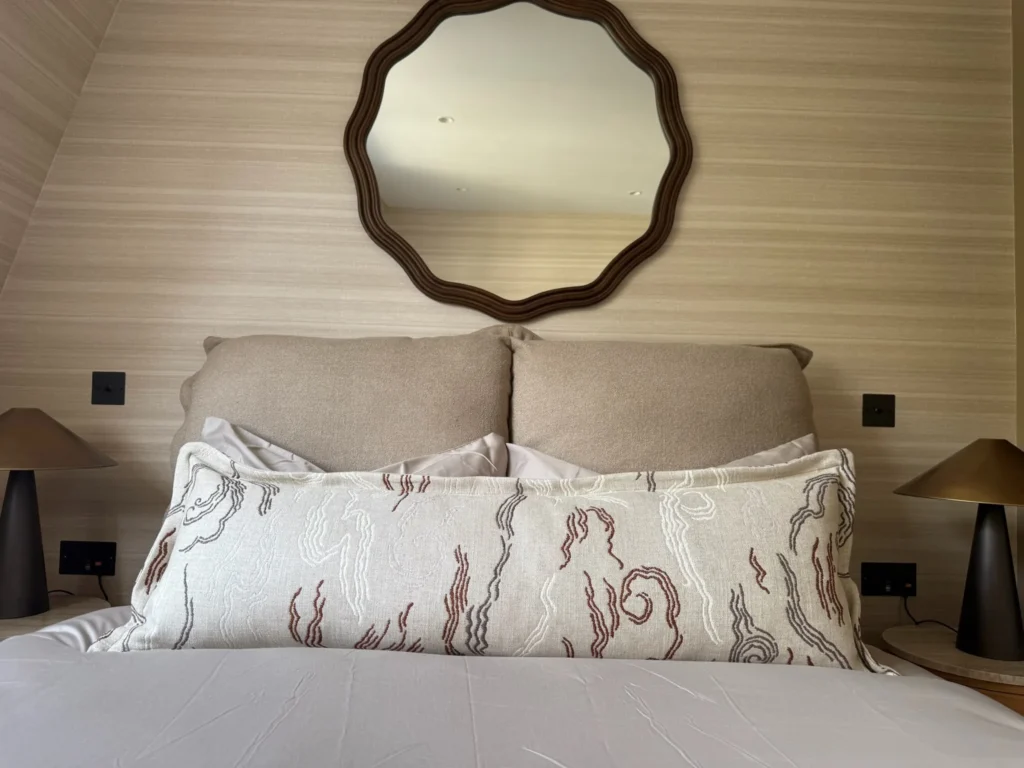
Chenille also works well on headboards and cushions, where it gets less hard wear than a family sofa. See our upholstery and headboards page for what we make in the workroom.