
A mood board is a small collection of fabrics, colours and finishes that shows how a room will feel before you buy anything. To make one, choose a starting piece, gather samples you can touch, keep the palette tight, and look at everything together in the room’s own light.
What is a mood board for?
A mood board lets you test an idea cheaply and early. It is much easier to see that a colour is wrong on a board than on a finished pair of curtains.
It also gives everyone involved the same picture. If you are working with a designer, a board turns “warm but calm” into something you can both point at.
Physical or digital: which should you use?
Both have a place, and many people use both. A digital board is quick to build and easy to share. A physical board is the only way to judge texture, weight and how a fabric catches the light.
| Type | Good for | Watch out for |
|---|---|---|
| Digital | Gathering ideas, sharing with others, trying layouts | Screens change colour, and texture disappears |
| Physical | Judging fabric, colour and finish for real | Takes more time to collect samples |
A sensible route is to collect ideas digitally, then build a physical board once you have narrowed the choice.
Where do you start?
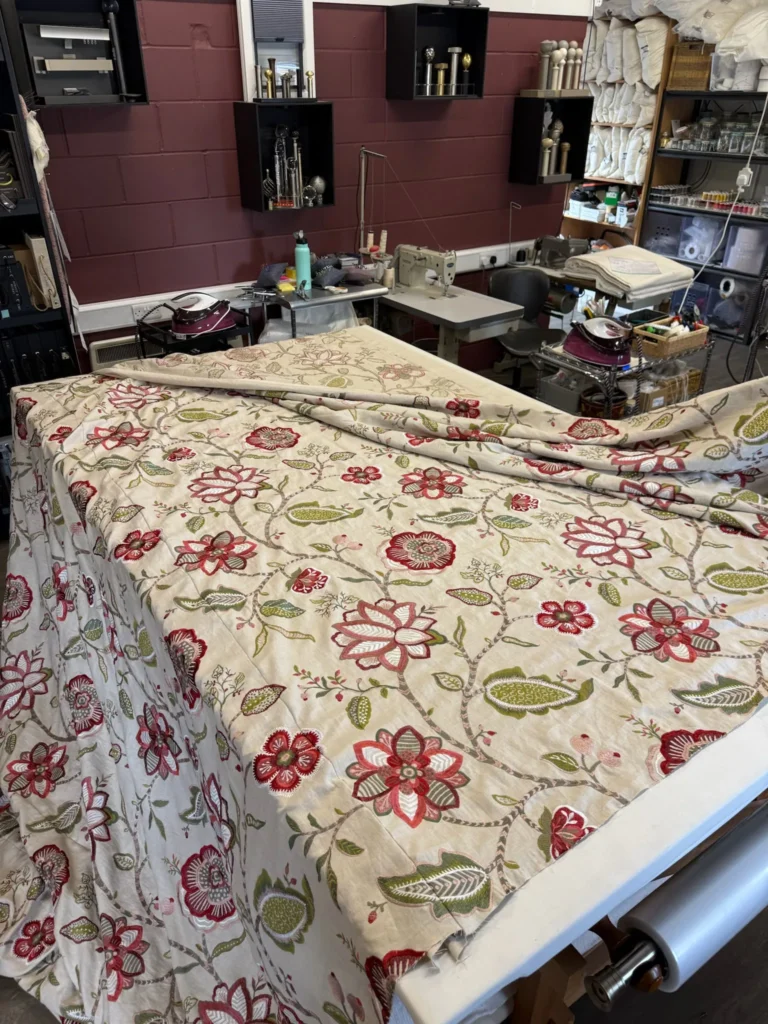
Start with one piece you already love. It might be a rug, a favourite chair, a print you have kept for years or the view from the window. Building outwards from a real object keeps the scheme personal.
Then ask what the room is for and how it should feel at the times you use it. A bedroom used at night asks different things of a scheme than a living room used all day.
What goes on a mood board?
Keep the list short. A board with too much on it stops being a decision tool.
- A main fabric or pattern, which usually sets the tone
- Two or three supporting colours or plain fabrics
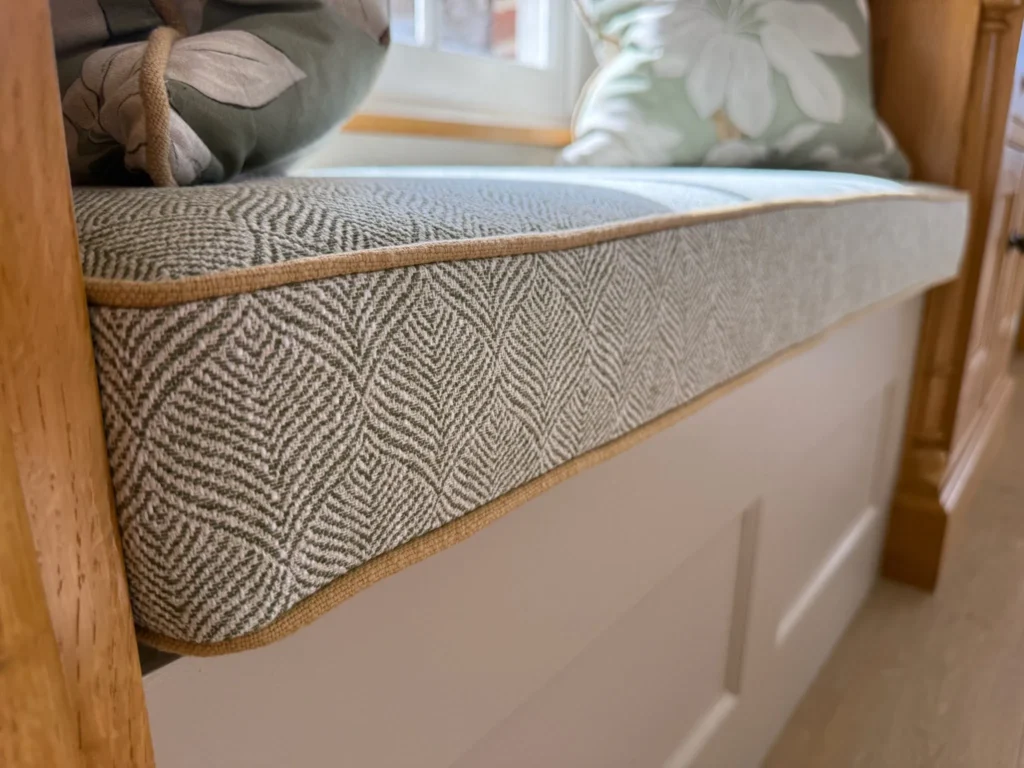
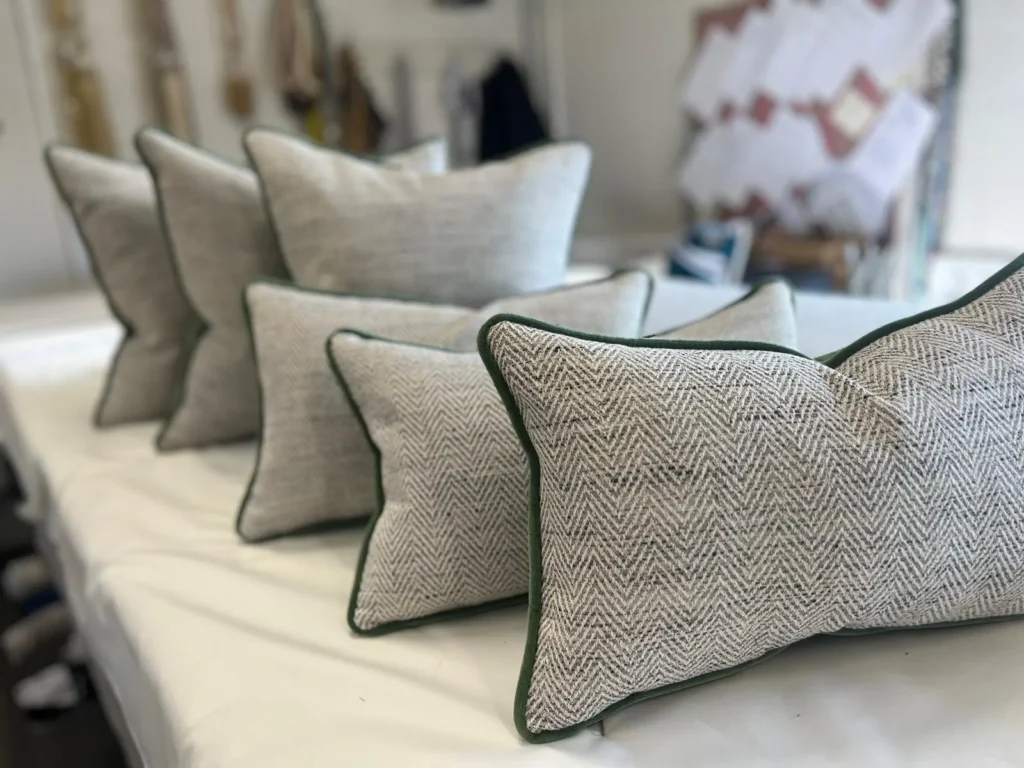
- A trimming, braid or piping if you are considering one
- A paint swatch for the walls
- A sample of any flooring or large piece of furniture that is staying
- One or two pictures of rooms that have the feeling you want
How do you build one, step by step?
- Choose your starting piece and place it in the centre of the board.
- Add the colours that sit closest to it, as paint swatches or fabric pieces.
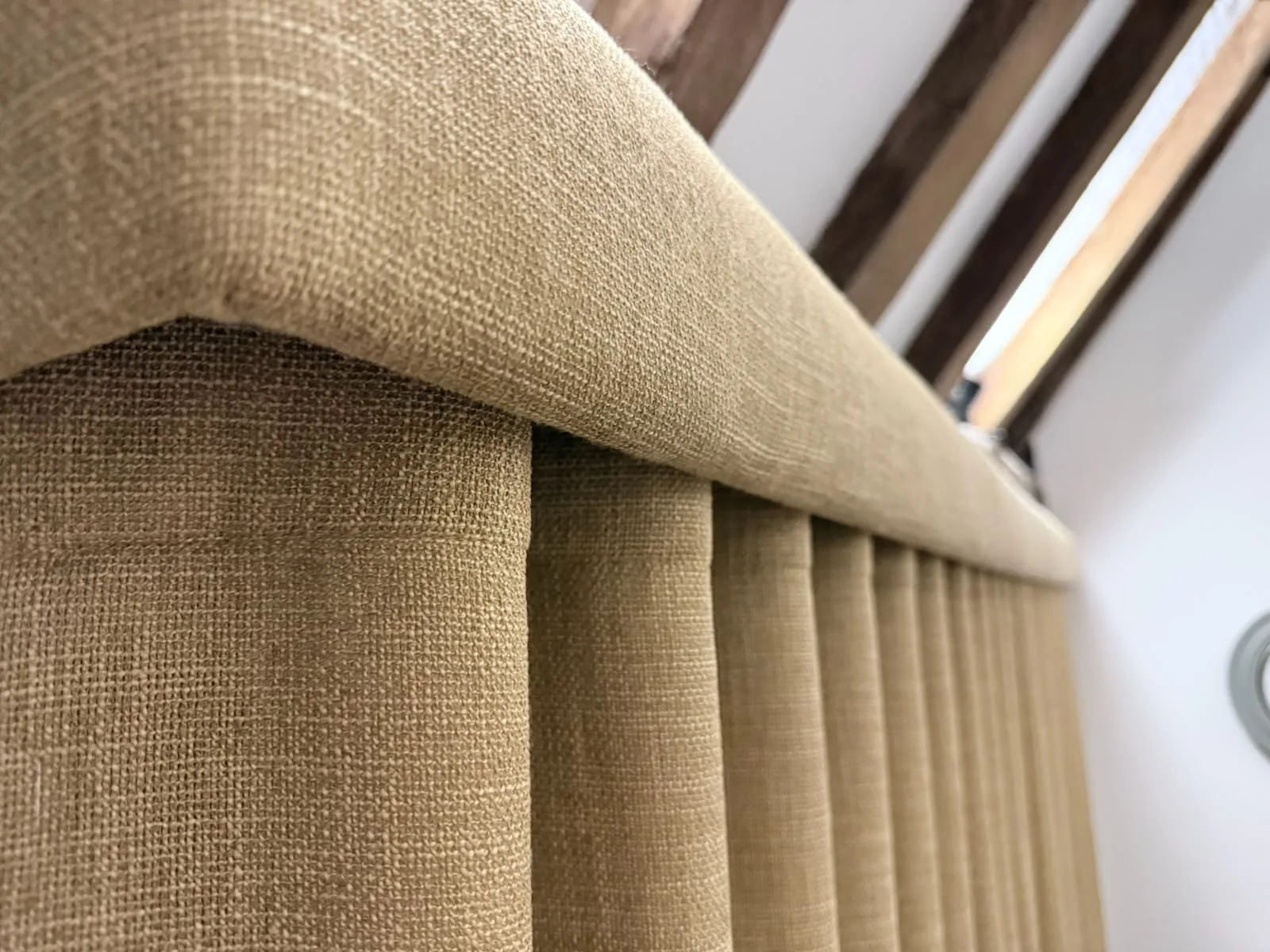
- Introduce texture: a linen, a velvet, a woven plain. Contrast in feel keeps a calm palette from looking flat.
- Add one accent, in a smaller amount than everything else.
- Remove anything that does not belong. Most boards improve when something comes off.
If colour is the part you are unsure about, our post on how to choose a colour scheme for a room covers it in more depth. For a bolder single-colour approach, see colour drenching.
Why do fabric samples matter so much?
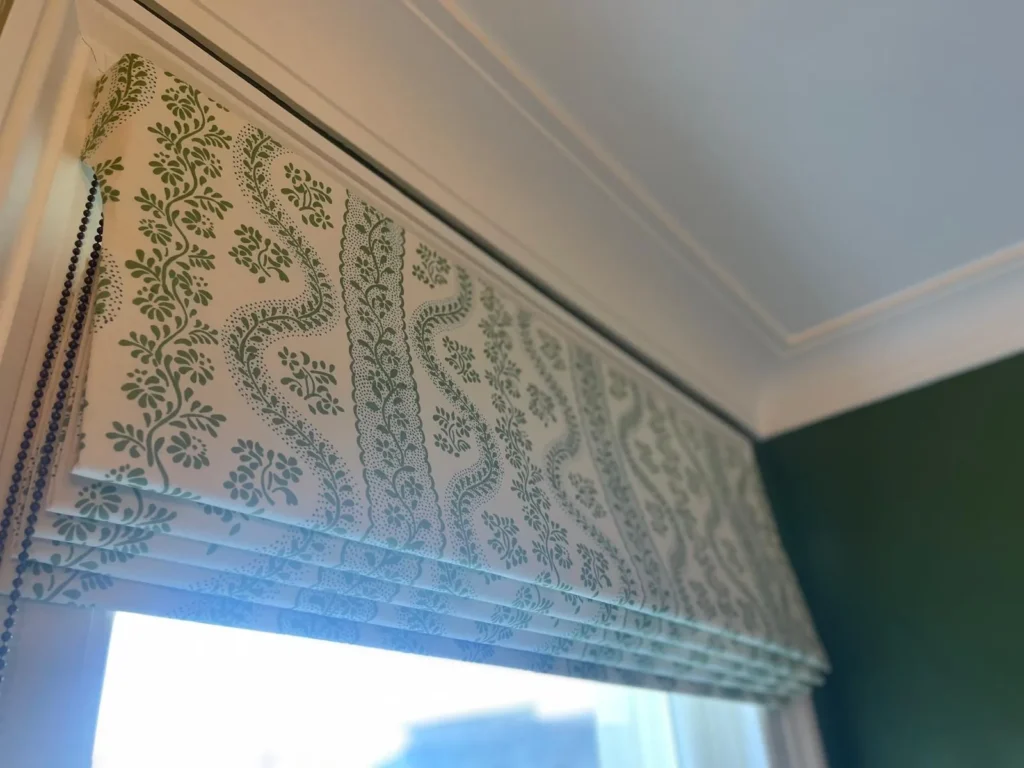
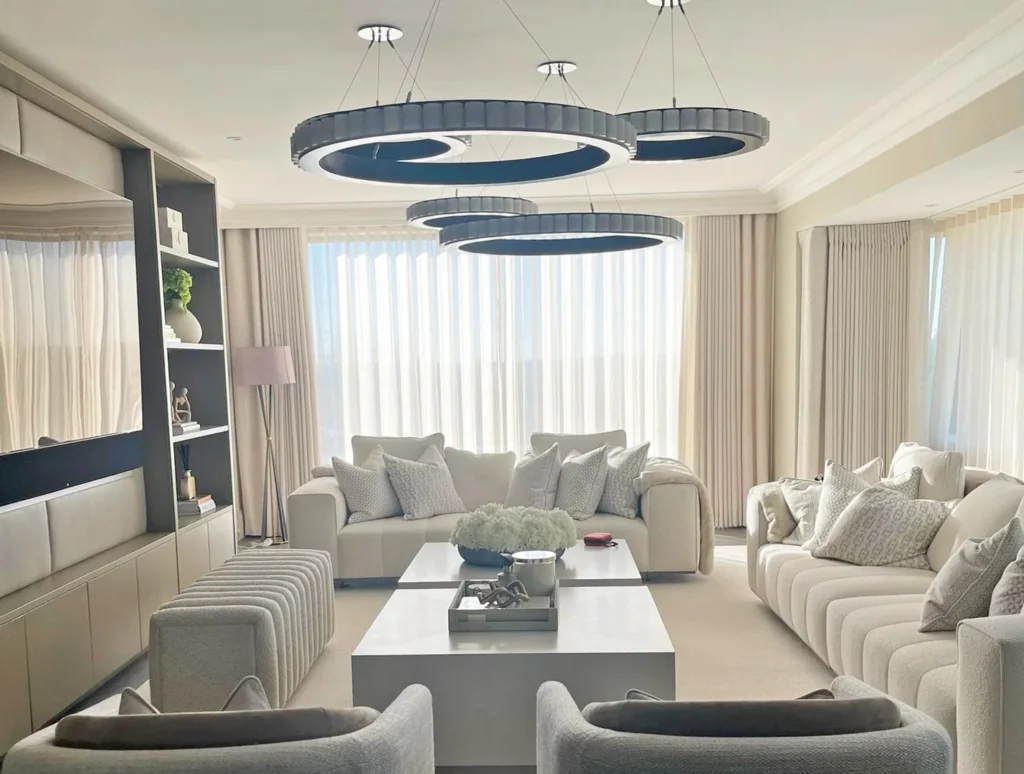
Fabric looks different on a screen, in a shop and at your window. A sample lets you see the colour at different times of day, feel the weight, and judge how it hangs or sits beside the other pieces.
Lay each sample flat, then prop the board upright, because curtains and upholstery are seen both ways. Look at it in morning and evening light, and with the lamps on.
How does a designer use a mood board with a client?
A board is a conversation, not a final answer. A designer will usually start with a first board built from what you say you like and what you already own, then adjust it as you react. What you dislike is as useful as what you like.
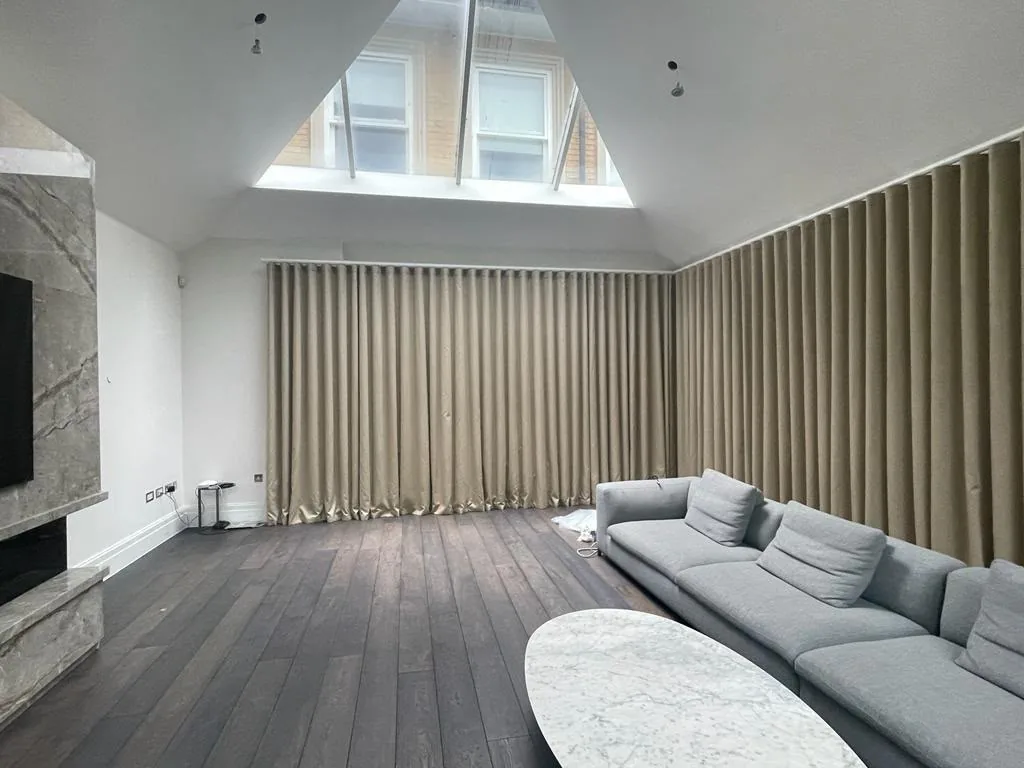
At Sew & Sew, a mood board for a single room is one of the ways we work, and it can lead into a full scheme if you want to take it further. You can read more about our interior design service, or see how a finished room came together in wave curtains and sheer Roman blinds in an open-plan living room.
How do you know when the board is finished?
Step back and look from across the room. If the board feels calm and every piece seems to belong, it is probably done. If one item keeps drawing the eye in the wrong way, swap it.
- Can you describe the room in three words, and does the board match them?
- Does each fabric still look right next to the others in daylight and lamplight?
- Is there a clear lead, with the rest supporting it?
Once the board feels right, the next step is measuring for curtains or blinds. We have a separate guide, how to measure for curtains and blinds, so you can do it properly.